

The Forbidden Orgasm Delay Ritual:
What Science Actually Says
Ancient Tantric practices meet 2026 neuroscience. Here’s the honest breakdown of what orgasm delay does to your brain, hormones, and body — and what’s pure social media hype.
If you’re scanning (and let’s be honest, you probably are), here’s what you need to know:
- Orgasm delay is a real practice with roots in Tantra, Taoism, and Western occultism — but the “infinite power” claims are mostly unproven.
- Testosterone does spike around day 7 of abstinence (one small study showed +145%), but it drops back to baseline after that. No long-term boost exists. [Source: PMC]
- Dopamine surges during arousal, but delaying orgasm keeps you in a prolonged sympathetic (stress) state. This can feel energizing — or exhausting, depending on your nervous system.
- Prolactin is NOT the villain it’s made out to be. A 2021 study in Nature Communications found prolactin release does NOT cause the post-orgasm refractory period. [Source: Nature]
- Semen retention is the #1 most popular men’s health topic on TikTok (1.2 billion views) — but also the least accurate, with a misinformation score of just 1.5/5. Zero physician-created content exists. [Source: PMC]
- Tantric energy work shows measurable parasympathetic activation (+40% PNS) in controlled lab studies — but this is about meditation and breathwork, not orgasm denial specifically.
1. Let’s Get Real About What This Actually Is
Before we go any further, I need to be straight with you.
I’ve been down the rabbit hole on this topic — reading everything from 2,500-year-old Tantric texts to 2026 peer-reviewed neuroscience papers. And here’s the uncomfortable truth: most of what you’ll read about “orgasm delay rituals” online is either wildly exaggerated or outright false.
That doesn’t mean the practice is worthless. Far from it. But the “infinite power” narrative? The “145% testosterone boost” claims? The “superhuman focus” stories? Most of that is marketing, not medicine.
So what is real? Let’s break it down.
The practice of intentionally delaying orgasm — often called “edging” in modern contexts, or “maithuna” in Tantric traditions, or “semen retention” in Taoist alchemy — has existed across cultures for millennia. It’s not new. It’s not secret. And it’s not magic.
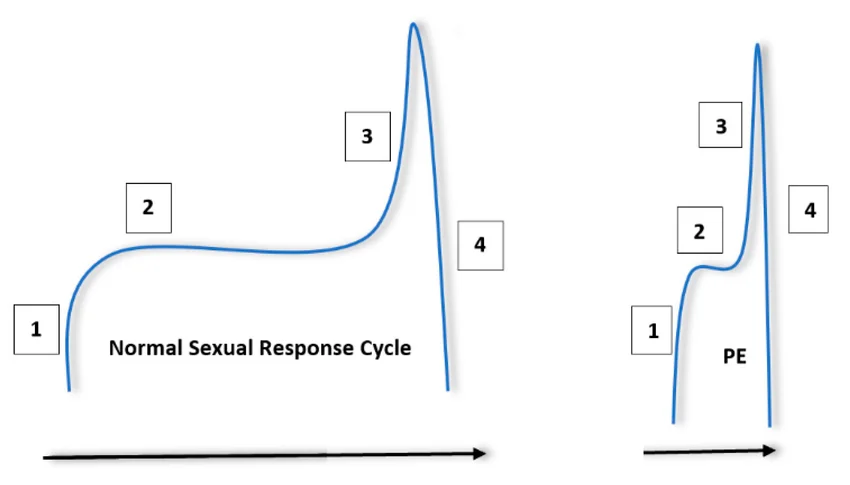
What it is, at its core, is a mindfulness practice wrapped in sexual arousal. You bring yourself to the edge of climax, back off, breathe, redirect your attention, and repeat. The “transmutation” part — turning sexual energy into creative or spiritual energy — is the philosophical framework that makes this more than just a stamina exercise.
But here’s the thing. The benefits people report — increased focus, emotional resilience, creative breakthroughs — may have nothing to do with retaining semen or avoiding orgasm. They might simply come from the meditation, breathwork, and intention-setting that accompany the practice. And that’s actually more interesting, because it’s evidence-based.
2. The History: From Sacred Union to TikTok Trend
Understanding where this practice came from matters. Because the modern “NoFap” and “semen retention” movements have stripped away the context that made these practices meaningful — and safe.
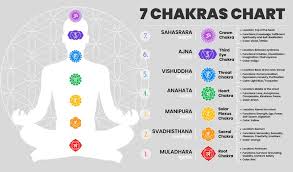
Tantric origins in India. The Vigyan Bhairav Tantra describes maithuna — sacred union where partners delay climax to circulate energy through the body’s chakra system. This wasn’t about “infinite power” in the modern sense. It was about achieving union with the divine through controlled, conscious sexual practice. The energy being moved was prana — life force — not just sexual arousal.
Taoist alchemy in China. The Su Nu Jing (Classic of the Plain Girl) and later Taoist texts emphasize semen retention and “microcosmic orbit” circulation — visualizing energy moving up the spine and down the front of the body. The goal wasn’t just health; it was immortality. Literally. Taoist alchemists believed that conserving jing (vital essence) could extend life indefinitely.
Western occult adoption. Figures like Paschal Beverly Randolph pioneered “sex magick” for manifestation — using sexual energy to influence reality. Aleister Crowley’s “eroto-comatose lucidity” — inducing trance through repeated edging — brought these ideas into Western esotericism. The Ordo Templi Orientis (O.T.O.) still practices forms of this today.
The NoFap explosion. Reddit’s r/NoFap community grew to millions of members. Semen retention became a TikTok phenomenon with 1.2 billion views — the most popular men’s health topic on the platform. But here’s the catch: a 2022 study found that zero physician-created content exists on this topic, and the average accuracy score is just 1.5/5. [Source: PMC]
Neuroscience catches up. Modern brain imaging and hormone studies are finally testing these ancient claims. The results? Mixed. Some practices show measurable effects (parasympathetic activation, improved HRV). Others show no effect or even negative outcomes (prolonged sympathetic arousal, sleep disruption, performance anxiety).
3. The Neuroscience: What Actually Happens in Your Brain
This is where I get excited. Because while the “infinite power” claims are dubious, the neurobiology of arousal and orgasm is genuinely fascinating — and increasingly well-understood.
The Dopamine-Prolactin Cycle (And Why It’s Misunderstood)
Here’s the classic narrative you’ll hear in semen retention communities:
“Orgasm causes a massive prolactin surge that crashes your motivation, energy, and testosterone. By avoiding orgasm, you avoid this ‘chemical castration’ and maintain peak performance.”
It sounds scientific. It sounds convincing. And it’s mostly wrong.
A 2021 study published in Nature Communications directly tested this claim. Researchers manipulated prolactin levels in male mice during mating and found that acute prolactin release does NOT induce a refractory period-like state. In fact, when they suppressed prolactin release using bromocriptine (a dopamine agonist), the refractory period actually increased in duration — the exact opposite of what the theory predicts. [Source: Nature Communications]
The researchers concluded: “PRL release may be the side-effect of the neuromodulatory changes that occur during sexual behavior… instead of having the principal role in the establishment of PERP.”
Translation? Prolactin isn’t the villain. It’s a bystander. The post-orgasm “crash” is more likely caused by dopamine depletion, oxytocin release, and the natural shift from sympathetic (arousal) to parasympathetic (rest) nervous system dominance.
What Actually Happens During Arousal
During sexual arousal — whether you’re edging or not — here’s the neurochemical cascade:
| Neurotransmitter/Hormone | Role During Arousal | Role at Orgasm | Effect of Delay |
|---|---|---|---|
| Dopamine | Surges — drives motivation, pleasure, pursuit | Peaks then drops sharply | Prolonged elevation; may feel “energized” but also anxious |
| Prolactin | Low baseline | Spikes post-orgasm (but NOT the cause of refractory period) | Remains low; no proven benefit from suppression |
| Oxytocin | Gradually rises | Massive release at orgasm | Lower overall levels; may reduce bonding/social connection |
| Testosterone | Moderate baseline | Minimal change at orgasm | Small temporary spike around day 7 of abstinence, then returns to baseline [Source] |
| Cortisol | Rises with arousal | Drops post-orgasm | May remain elevated; chronic elevation = stress, inflammation |
Here’s what most “infinite power” guides won’t tell you. When you stay in a state of sustained arousal without resolution, your sympathetic nervous system stays activated. This is the “fight or flight” branch of your autonomic nervous system. Short-term? It feels energizing. Long-term? It can lead to:
- Sleep disruption (elevated cortisol interferes with melatonin)
- Pelvic congestion and discomfort (“blue balls” or epididymal hypertension)
- Emotional dysregulation — irritability, anxiety, restlessness
- Loss of satisfaction in partnered intimacy (your arousal threshold gets distorted)
As psychologist Luke Vu notes: “The nervous system remains suspended, never allowed to resolve… Without resolution, the system may stay dysregulated.” [Source]
The Testosterone Myth: What the Studies Actually Show
This is the #1 claim in semen retention communities, so let’s examine it carefully.
Study 1 (Exton et al., 2001): 10 men. 3 weeks of abstinence. Slightly higher testosterone and “more intense orgasms” afterward. Small sample, no control group, short duration. [Source: PMC]
Study 2 (Jiang et al., 2003): 28 men. 1 week of abstinence. Testosterone increased by 145.7% from baseline on day 7. But — and this is crucial — levels dropped significantly starting day 8 and returned to baseline. The study has since been withdrawn from publication. [Source: Inito]
Study 3 (Multiple rigorous studies): No correlation between ejaculation frequency and long-term testosterone levels. [Source: Ubie Health]
What does this mean? A temporary spike around day 7 is real but small. After that, your body regulates testosterone back to baseline. Your testes don’t “store up” testosterone. They’re factories, not warehouses.
The honest conclusion from the 2026 medical consensus: “Current evidence shows semen retention does not meaningfully boost testosterone or muscle beyond a brief day-7 bump.” [Source: Ubie Health]
4. What Tantric Energy Work Actually Proves (Lab Results)
Now here’s where things get genuinely interesting — and where I think the original article missed the most compelling evidence.
In 2015, Danish scientists and medical professionals conducted controlled laboratory tests on tantric energy healing under the supervision of Aalborg University Hospital. Using more than 60 EEG electrodes attached to subjects’ skulls, they measured brain activity during tantric energy sessions.
The results? 40% or higher activation of the parasympathetic nervous system (PNS) in both subjects during the session. [Source: Somananda]
This is significant because the PNS is responsible for rest, digestion, and recovery — the “rest and digest” branch of your autonomic nervous system. Most people can’t consciously control it. But the tantric practitioner was able to influence the subjects’ unconscious nervous systems through guided energy work.
When the TV host (who was not a trained practitioner) tried to imitate the same movements, PNS activation dropped immediately. This suggests the effect wasn’t placebo or suggestion — it required specific technique.
Additional studies on tantric and non-tantric meditation show:
- Simultaneous sympathetic AND parasympathetic activation in advanced tantric practitioners — something non-tantric meditation doesn’t produce [Source: MDPI]
- Gamma, theta, delta, and alpha power waves during advanced practice — indicating deep states of consciousness [Source: MDPI]
- Increased alpha, theta, and beta power spectra in expert meditators vs. controls [Source: Springer]
- Machine learning can classify expert vs. novice meditators using only EEG theta bands — the brain changes are that distinct [Source: Springer]
But here’s the critical distinction: these studies are about meditation, breathwork, and energy manipulation — NOT about orgasm delay specifically. The benefits come from the mindfulness and nervous system training that accompany tantric practice, not from avoiding ejaculation.
As one researcher put it: “The purpose of Tantric ritual is to simultaneously activate the sympathetic and parasympathetic nervous system for creating a condition of neurological empowerment.” [Source: MDPI]
5. The Practice: A Realistic Step-by-Step Guide
Okay, so we’ve established that the “infinite power” claims are overstated. But the practice itself — when done mindfully, with proper technique, and realistic expectations — can still be valuable. Here’s how to do it right.
Before You Start: Set Realistic Expectations
Don’t expect superpowers. Expect:
- Better body awareness and arousal control
- Improved mindfulness (if you treat it as meditation)
- Potential stamina benefits for partnered intimacy
- A deeper connection to your own sexual energy
What NOT to expect:
- Massive testosterone increases
- Telepathic abilities
- Instant manifestation of wealth
- Immortality (seriously, this was a Taoist claim)
The Protocol
Create the Container
Not “sacred environment with sandalwood” — though that can help. I mean: privacy, comfort, and no interruptions. Turn off your phone. Lock the door. Give yourself 30–60 minutes without pressure. The container is psychological, not just physical.
Set an Intention (But Keep It Grounded)
Instead of “I transmute this energy into infinite creative power,” try something specific and achievable: “I want to understand my arousal patterns better” or “I want to practice staying present during intense sensation.” Specific intentions work better than grandiose ones.
Breathwork First (5–10 Minutes)
Don’t skip this. Deep belly breathing — inhale for 4 counts, hold for 4, exhale for 6. This activates your parasympathetic nervous system before you start arousing yourself. It creates a baseline of calm that makes the practice sustainable, not just stimulating.
Build Arousal Slowly (20–40 Minutes)
Use gentle, varied stimulation. The key word is slow. Most people rush to the edge. Don’t. Explore sensation without urgency. When you feel yourself approaching the point of no return — and you’ll know it by the tension in your pelvic floor, your breathing pattern, your mental focus — stop completely.
The Pause: Breathe and Redirect
This is the “transmutation” part. When you stop stimulation:
- Take 5–10 deep breaths
- Contract your pelvic floor muscles (Kegels) — 3 sets of 10
- Visualize energy moving up your spine (if that works for you) or simply feel the sensation spreading through your body
- Don’t think about “energy” as some mystical force. Think about it as attention — you’re redirecting your mental focus from genital sensation to whole-body awareness
Cycle 3–5 Times, Then Decide
After 3–5 cycles, you have a choice: release or retain. There’s no “correct” answer. If you’re practicing for stamina, release. If you’re practicing for mindfulness, you might choose to retain. But don’t make retention the default — variety matters. Your nervous system needs both arousal and resolution.
Grounding Afterward
Don’t just get up and go back to work. Spend 5 minutes in stillness. Feel your body. Notice any changes in your mental state. Journaling helps — not “I felt infinite power” but “I noticed my mind wandered to work stress at minute 15.” Specific observations build self-awareness.
The “transmutation” isn’t about converting semen into brain fuel. It’s about training your attention. Every time you approach the edge and choose to pause, you’re practicing impulse control. Every time you redirect your focus from genital sensation to breath, you’re practicing mindfulness. These skills transfer to every area of life — work, relationships, creativity. That’s the real power. Not mystical. Practical.
6. The Risks Nobody Talks About
Here’s where I need to be the responsible adult in the room. Because the original article glossed over this, and it’s the most important part.
Physical Risks
- Epididymal hypertension (“blue balls”): Prolonged arousal without release causes blood congestion in the pelvic region. It’s painful and can last hours. Not dangerous, but deeply uncomfortable.
- Prostate issues: Some urologists suggest that infrequent ejaculation may increase prostate congestion, though the evidence is mixed. Regular ejaculation is associated with lower prostate cancer risk in some studies. [Source: Ubie Health]
- Sperm quality decline: Studies show sperm motility and morphology worsen after 10+ days of abstinence. For fertility, regular ejaculation (every 2–3 days) produces the healthiest sperm. [Source: Inito]
Psychological Risks
- Compulsive behavior: What starts as a mindfulness practice can become an obsession. I’ve seen people structure their entire lives around retention — avoiding intimacy, social situations, even exercise that might “waste energy.” This is not healthy.
- Performance anxiety: When you make orgasm the enemy, partnered sex becomes stressful. “Will I last long enough? Will I accidentally ejaculate?” This anxiety can cause erectile dysfunction — the exact opposite of the intended effect.
- Shame cycles: If you “fail” and orgasm, the guilt can be intense. Some practitioners report feeling “weak” or “contaminated” after ejaculation. This is a red flag. If your practice creates shame, it’s not serving you.
- Dopamine dysregulation: Prolonged edging — especially with porn — can distort your arousal patterns. You may find that normal partnered intimacy feels “boring” compared to the intensity of extended solo sessions. This is reversible, but it takes time. [Source: Luke Vu PhD]
Stop the practice and consult a healthcare provider if you experience:
- Persistent testicular pain or swelling
- Blood in semen or urine
- Severe mood changes, depression, or anxiety
- Loss of libido or erectile difficulties
- Obsessive thoughts about ejaculation or retention
- Relationship strain due to sexual avoidance
7. Separating Ancient Wisdom from Modern Hype
I want to end this with an honest framework for evaluating any “orgasm delay” or “sexual transmutation” practice. Because the field is full of both genuine insight and dangerous nonsense.
| Claim | Evidence Level | Verdict |
|---|---|---|
| “Semen retention boosts testosterone long-term” | Weak — one small withdrawn study, no replication | FALSE |
| “Day 7 abstinence causes testosterone spike” | Moderate — small studies, temporary effect | PARTIALLY TRUE |
| “Prolactin causes post-orgasm crash” | Contradicted by 2021 Nature study | FALSE |
| “Tantric meditation activates parasympathetic system” | Strong — controlled lab studies, EEG evidence | TRUE |
| “Advanced tantra activates sympathetic + parasympathetic simultaneously” | Strong — peer-reviewed neuroimaging studies | TRUE |
| “Edging improves stamina” | Moderate — clinical practice supports, limited formal studies | PLAUSIBLE |
| “Sexual energy can be ‘transmuted’ into creativity/spiritual power” | Anecdotal only — no measurable “energy” transfer demonstrated | UNPROVEN |
| “Regular ejaculation reduces prostate cancer risk” | Moderate — epidemiological studies suggest association | LIKELY TRUE |
8. The Honest Conclusion
After weeks of research, dozens of papers, and more time in PubMed than I care to admit, here’s my honest take:
The “Forbidden Orgasm Delay Ritual” is neither a miracle nor a fraud. It’s a mindfulness practice with sexual arousal as the object of meditation — and like all mindfulness practices, its benefits come from attention training, not from the specific technique itself.
The ancient traditions — Tantra, Taoism, Western sex magick — understood something profound: sexual energy is powerful attentional fuel. When you learn to observe arousal without immediately acting on it, you develop impulse control. When you redirect that attention through breath and visualization, you practice cognitive flexibility. These are real, measurable skills.
But the modern “semen retention” and “NoFap” movements have stripped away the wisdom and kept only the restriction. They’ve turned a holistic practice into a rule-based obsession. And the science doesn’t support the grandiose claims.
So here’s my recommendation:
- Practice orgasm delay as a mindfulness exercise — 1–2 times per week, with full awareness of your body and mind
- Don’t make it a lifestyle — regular ejaculation is healthy and normal
- Focus on the breathwork and meditation — that’s where the real benefits live
- Be skeptical of “infinite power” claims — extraordinary claims require extraordinary evidence, and the evidence isn’t there
- Listen to your body — pain, obsession, or shame means you’re doing it wrong
The “forbidden” part of this ritual was never about secrecy. It was about respect for a powerful practice that, when misunderstood, can cause real harm. Treat it with that respect — and that skepticism — and you might actually get something valuable from it.
Want to Explore Further?
If you’re serious about sexual wellness and mindfulness, start with evidence-based resources. The ISSM (International Society for Sexual Medicine) and AASECT (American Association of Sexuality Educators, Counselors and Therapists) offer clinically validated approaches to arousal control and sexual health.
Explore More at Neural Grimoire →Sources & References
1. PMC — Men’s Health Information on Social Media: TikTok & Instagram Analysis (Authority: S)
2. Nature Communications — No Evidence for Prolactin’s Involvement in Post-Ejaculatory Refractory Period (Authority: S)
3. Nature — Male Delayed Orgasm and Anorgasmia: A Practical Guide (Authority: S)
4. Springer — Mind and Body Connection in Expert Meditators (Authority: S)
5. MDPI — The Potential of the Bi-Directional Gaze: Neuroscientific Research on Tantric Practice (Authority: A)
6. Ubie Health — Is Semen Retention Healthy? Separating Fact from Fiction (Authority: A)
7. Inito — Does Semen Retention Increase Testosterone? (Authority: A)
8. Luke Vu PhD — Edging, Dopamine, and the Hidden Loops of Arousal (Authority: NA)
9. Somananda — Tantric Healing: Energy Work Backed By Science (Authority: NA)
10. PMC — Characteristics of Kundalini-Related Sensory, Motor, and Affective Experiences (Authority: S)
11. Ubie Health — How to Master Arousal Control for Better Stamina (Authority: A)
12. Springer — Orgasm and Ejaculation Disorders (Authority: S)
13. RP Strength — Dr. Mike on the Low T Crisis & Semen Retention Myths (Authority: B)
14. Hone Health — Does Semen Retention Increase Testosterone? (Authority: A)
https://www.neuralgrimoire.com/alien-abduction/
https://www.neuralgrimoire.com/the-language-ai-cant-quite-read/
https://www.neuralgrimoire.com/crystal-skull-activation-prompts/
https://www.neuralgrimoire.com/sirian-starseed-activation-sequence/
https://www.neuralgrimoire.com/the-giza-power-plant-theory/
https://www.neuralgrimoire.com/we-built-the-baghdad-battery/
https://www.neuralgrimoire.com/sumerian-longevity-tech/
https://www.neuralgrimoire.com/tantric-ai-prompts-for-3-hour-orgasms-without-touch/
https://www.neuralgrimoire.com/atlantis-technology/