

The Breakthrough Mushroom Trip
Without Mushrooms
What actually happens in your brain during a natural psychedelic state — and the 2025 neuroimaging data that changed how researchers think about breathwork, float tanks, and consciousness.
A landmark August 2025 neuroimaging study from Brighton & Sussex Medical School confirmed that 20–30 minutes of fast, rhythmic breathing with music reliably triggers the same “oceanic boundlessness” state linked to psilocybin — with measurable shifts in cerebral blood flow and no adverse effects. Float tanks, Ganzflicker, and deep meditation can do something similar, though via different mechanisms. This guide covers the science, the honest caveats, and the practical protocols — no hype, no substances.
What Is a “Breakthrough” State — and Why Does Anyone Seek It Without Drugs?
The phrase “breakthrough mushroom trip” comes from the psychedelic community. It describes a point — typically at higher psilocybin doses — where ordinary self-referential thinking collapses. People report ego dissolution, a felt sense of unity with something larger than themselves, visual phenomena, and occasionally what they describe as the most meaningful experience of their lives.
That sounds extreme. But the underlying neurological signature — a disruption of the “default mode network” (DMN), the brain’s self-referential resting circuit — is not exclusive to drugs. Experienced meditators can achieve measurable DMN suppression. So can people in float tanks, under Ganzflicker, and now, as of 2025, during structured breathwork sessions measured inside an MRI scanner.
The reasons people want this without substances are practical and varied. Psilocybin is federally illegal in the United States (though decriminalized in a growing number of cities and legal in Oregon and Colorado’s regulated therapy programs). Health concerns rule substances out for many people. Some want a repeatable, integrated practice — not a six-hour commitment with legal risk.
Worth being clear about something upfront: natural methods are not equivalent to psilocybin. The intensity, duration, and neurobiological mechanism differ. Researchers have found subjective overlaps — particularly around what they call “oceanic boundlessness” (OBN) — but they are careful not to claim equivalence. What they do claim is that the overlap is real, measurable, and more significant than most people assumed. That distinction matters.
The 2025 Neuroimaging Breakthrough: What Researchers Actually Found
This is where things get genuinely interesting — and where the story changed in 2025.
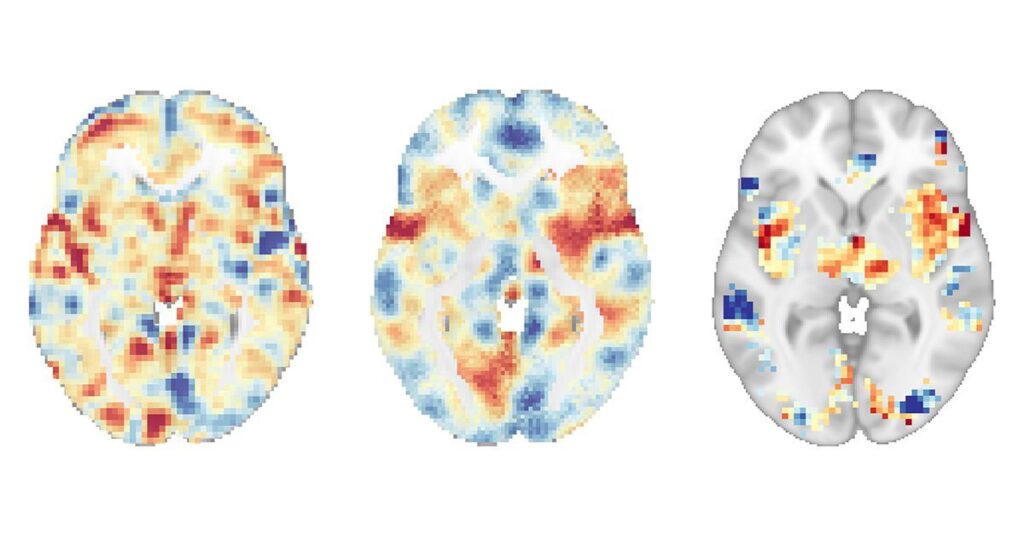
For years, breathwork advocates claimed their practice could mimic psychedelic states. Researchers were skeptical. The claims were based on self-report data, without objective neurological measurement. Then a team led by Amy Amla Kartar at Brighton and Sussex Medical School (BSMS) did something nobody had done before: they put breathwork practitioners inside an fMRI scanner.
High Ventilation Breathwork (HVB) Inside an MRI — What They Found
Across all three experimental conditions — remote practice at home, in-lab monitoring, and inside the MRI scanner — participants doing 20–30 minutes of continuous, fast, rhythmic breathing with music consistently showed: (1) elevated “oceanic boundlessness” scores matching those reported with psilocybin; (2) measurable shifts in cerebral blood flow to emotion-processing brain regions; (3) reduced fear and negative emotions throughout; and (4) no adverse reactions. This was the first neuroimaging evidence for breathwork’s ability to reliably shift consciousness into psychedelic-like states.
“Our research is the first to use neuroimaging to map the neurophysiological changes that occur during breathwork. Our key findings include that breathwork can reliably evoke profound psychedelic states.”
— Kartar et al., PLOS One, August 2025The mechanism is different from psilocybin, and that’s important to understand. Psilocybin binds directly to serotonin 5-HT2A receptors. High ventilation breathwork works by reducing end-tidal CO₂ levels — the residual carbon dioxide in the lungs — which changes the pH of the blood and triggers a cascade of physiological responses including sympathetic nervous system activation and altered regional blood flow. Different door, similar room.
🍄 Psilocybin
- Binds directly to 5-HT2A serotonin receptors
- Suppresses default mode network activity
- Increases cross-network brain connectivity
- Duration: 4–6 hours
- Legal status: restricted in most jurisdictions
- Evidence for neuroplasticity: strong
💨 High Ventilation Breathwork
- Reduces end-tidal CO₂ → blood pH change
- Activates sympathetic nervous system
- Alters cerebral blood flow (emotion areas)
- Duration: 20–30 minutes + integration
- Legal status: no restrictions
- Evidence for neuroplasticity: limited so far
The researchers were explicit about limitations: small sample sizes, no control group to separate the effect of music from the breathing itself, and questions about replicability. This isn’t settled science — it’s compelling, peer-reviewed early evidence that warrants serious follow-up research. The honest read is this: breathwork does something real in the brain that meaningfully overlaps with the subjective experience of psychedelics. Whether it achieves the same therapeutic depth is a question still being investigated.
Six Methods That Genuinely Alter Consciousness (Ranked by Current Evidence)
Not all of these are equal. Some have strong peer-reviewed support; others are based on lab observations and preliminary data. Being honest about that matters — it’s how you make good decisions about what to actually try.
High Ventilation Breathwork
Fast, continuous, rhythmic breathing for 20–30 minutes, typically with music. The PLOS One 2025 MRI study confirmed measurable brain changes and reliable OBN induction. This is now the best-studied natural method.
Flotation-REST (Float Tanks)
A 2026 systematic review of 63 studies with 2,400+ participants found strong evidence for anxiety reduction and altered consciousness, including theta brainwave entrainment. The brain enters deep meditative states without prior experience required.
Deep Meditation
Prolonged meditation — particularly vipassana-style retreats — demonstrably suppresses default mode network activity. The catch: it takes time to develop. Beginners rarely access the deeper states in casual sessions.
Ganzflicker / Ganzfeld
Flickering light at specific frequencies stimulates the visual cortex and can produce geometric hallucinations in laboratory settings. A 2024 Nature paper confirmed these visual phenomena. Ganzfeld (uniform visual field with headphones) reliably produces hallucinatory-style reports.
Binaural Beats
Presenting slightly different frequencies to each ear creates a “beat” that can influence brainwave states. Evidence for deep consciousness shifts is weaker than breathwork, but theta-frequency beats (4–7 Hz) show consistent effects on relaxation and mild perceptual shifts.
Lucid Dreaming / WILD
With consistent practice — reality checks, sleep tracking, WILD technique — some people achieve vivid, controllable dream states that parallel psychedelic experiences in depth and intensity. The challenge is the months of consistent effort required.
One thing I want to flag: Kundalini yoga and holotropic breathwork get mentioned a lot in this space, and they can be powerful — but they also carry the highest risk profile. Holotropic breathwork in particular involves extended hyperventilation and is designed to be practiced only in supervised settings with trained facilitators. The BSMS 2025 study used a structured, shorter protocol for a reason.
How Breathwork vs. Psilocybin Actually Work — An Honest Comparison
The comparison people most want to make is simple: is breathwork as powerful as mushrooms? Short answer: no, not in the same way. But the question is the wrong frame — it’s like asking whether swimming is as good as running. They stress the body differently toward overlapping ends.
| Factor | Psilocybin | HV Breathwork | Float Tank |
|---|---|---|---|
| Primary mechanism | 5-HT2A receptor agonism | CO₂ reduction → blood pH shift → cerebral blood flow changes | Sensory elimination → theta brainwave entrainment |
| Onset | 30–60 minutes | 5–15 minutes of breathing | 15–30 minutes into session |
| Peak duration | 2–4 hours | During session (20–30 min) | Throughout 60-min session |
| OBN overlap | Strong, reliable | Confirmed by 2025 MRI study | Reported; theta-wave basis |
| Legal status | Illegal (US federal); regulated in OR, CO | No restrictions anywhere | No restrictions anywhere |
| Neuroplasticity evidence | Strong (Hopkins, NYU research) | Limited — early research | Moderate (anxiety circuits) |
| Beginner-friendly? | No — requires set, setting, guidance | With guidance, yes | Yes — no prior experience needed |
| Repeatable frequency | Monthly or less (tolerance, integration time) | Weekly with appropriate rest | Weekly or more often |
The ESI Frankfurt analysis (December 2025) put it clearly: while psychedelics serve as a “door opener” to deeper psychological material by altering perception and emotion in ways that make suppressed content therapeutically accessible, breathwork may achieve a functionally similar state through a completely different route. The door looks the same from the inside; the hinges work differently.
What breathwork lacks — and this matters for therapeutic applications — is evidence of the lasting structural neuroplasticity that makes psilocybin research so exciting at institutions like Johns Hopkins. The 2025 BSMS study didn’t measure long-term changes. That research is still needed.
The PEAK Protocol: A Practical Framework for Safe Exploration
I’ve synthesized the best guidance from current research and practitioner experience into a framework that actually works for someone starting out. It’s not magic — it’s structure, which turns out to be what most people need most.
Prepare — set intention, not just expectation
Before any session, spend 5–10 minutes writing down what you’re looking to understand or feel. Not “I want to have a crazy experience” — something more specific, like “I want to explore the anxiety I feel about X.” The research on psychedelic therapy consistently shows that intention-setting shapes outcomes. There’s no reason to think this is different for natural approaches. Choose a space that’s warm, private, and free of interruptions. Have a blanket, an eye mask, and water nearby.
Engage — start gentler than you think you need to
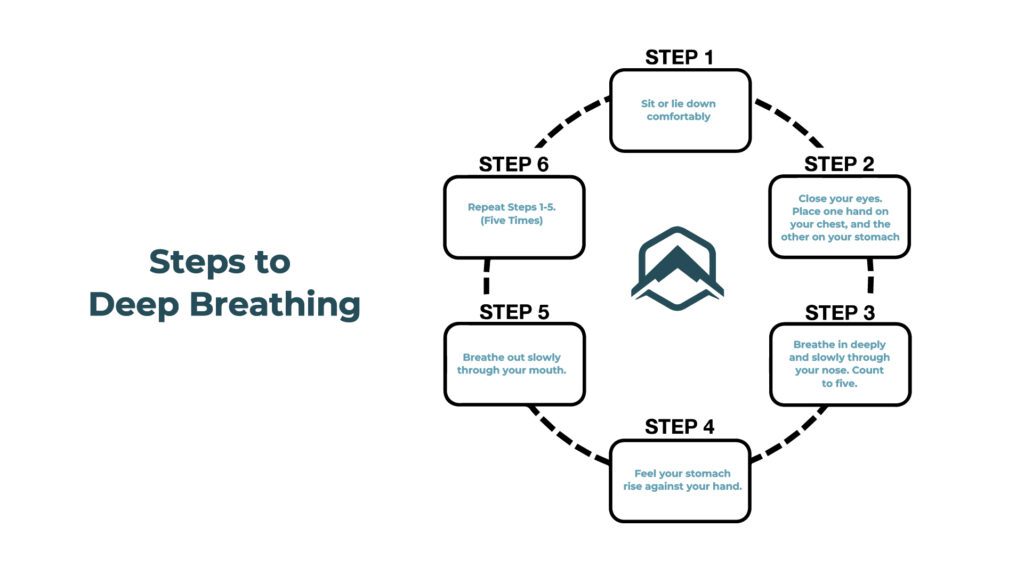
For breathwork: begin with 10 minutes of slow diaphragmatic breathing before increasing the pace. Don’t launch straight into high-ventilation breathing on your first session. For float tanks: book a 60-minute session at a commercial facility first — your first session is often spent learning how to do nothing, which is harder than it sounds. For both, having a trained guide or facilitator for your first experience is genuinely worth it.
Amplify — layer elements thoughtfully
The 2025 BSMS study found that music was inseparable from the breathwork experience — researchers couldn’t isolate its contribution, which tells you something about how significant it was. Choose music without lyrics, with a consistent tempo around 60–80 BPM. The same principle applies to float tanks: some facilities offer optional light shows or soundscapes; try silent first, then add one element at a time. Don’t stack everything at once.
Know — integration is the actual work
This is the step most people skip. Whatever arose during the session — whether that’s emotion, a mental image, a sudden realization about something in your life, or just deep relaxation — deserves your attention afterward. Keep a journal specifically for this. Sit with the experience for at least 20 minutes before picking up your phone. The research on psychedelic therapy shows that post-session integration determines the majority of long-term benefit. Natural methods are no different.
Honest Risks You Need to Know Before You Try Anything
I’m going to be direct here because a lot of wellness content glosses over this. These practices carry real risks for some people. The fact that they’re legal and drug-free doesn’t mean they’re without consequence.
This is not an exhaustive list — check with your doctor — but it covers the most critical contraindications based on current clinical guidance:
- Cardiovascular conditions — HVB activates the sympathetic nervous system and elevates heart rate. People with arrhythmias, heart disease, or hypertension face elevated risk.
- Pregnancy — Alterations in blood CO₂ and oxygen levels can affect fetal development.
- Epilepsy — Hyperventilation is a known seizure trigger.
- History of psychosis or schizophrenia — Altered state induction can precipitate psychotic episodes in vulnerable individuals.
- Active panic disorder — The physiological sensations of HVB (tingling, lightheadedness, muscle cramping) can trigger panic attacks in susceptible people.
- Glaucoma — Pressure changes are a concern.
Common side effects that are not dangerous but feel alarming if you’re not expecting them: tingling in the hands and feet (tetany from CO₂ reduction), lightheadedness, temporary muscle stiffness or cramping, and emotional release — including unexpected crying or laughter. These typically resolve immediately when breathing returns to normal.
Float tanks are substantially lower-risk. The 2026 BMC systematic review — the most comprehensive to date — found no serious adverse events across its analyzed studies. Claustrophobia comes up frequently as a concern, but most tanks are large enough to sit upright, doors open from the inside, and first-time floaters can leave the door ajar. The water is heavily salinated (making drowning essentially impossible) and treated through multi-stage filtration.
The one thing I’d flag that almost no breathwork guide mentions: the combination of intense emotional release and a lack of prepared integration support. If you access something genuinely difficult — a suppressed memory, a profound grief — in a breathwork session and have no therapist or community to process it with, that can be more destabilizing than the session itself. Plan for that possibility.
Regional Landscape: Practical Realities in the USA, Canada, and Australia
| Region | Psilocybin Legal Status | Natural Alternatives Scene | What’s Driving Growth |
|---|---|---|---|
| United States | Federal Schedule I; legal therapeutic use in Oregon & Colorado; decriminalized in several cities | Large, app-facilitated, tech-driven — high demand for accessible drug-free options | Legal uncertainty around psilocybin pushing demand toward natural alternatives; strong wellness tech investment |
| Canada | Federally illegal; Section 56 exemptions for end-of-life therapeutic use; growing gray market | Therapist-integrated, culturally inclusive — Indigenous breath practices gaining recognition | Healthcare system interest in non-pharmacological mental health tools; trauma-informed therapy expansion |
| Australia | Approved for therapeutic use (psilocybin for treatment-resistant depression since Feb 2023 — first country globally) | Community retreat-driven; yoga and breathwork certification scene is maturing rapidly | TGA approval has legitimized psychedelic-adjacent practices; wellness tourism growing from Asian markets |
Australia is actually the most interesting case right now. Because the Therapeutic Goods Administration approved psilocybin-assisted therapy in February 2023 — making Australia the first country in the world to do so at a regulatory level — the broader conversation around altered states has been mainstreamed in a way it hasn’t been elsewhere. This has had a downstream effect: breathwork and float therapy practitioners report growing client bases of people who want a lower-cost, no-prescription-required entry point to similar therapeutic territory.
In the United States, the market fragmentation is significant. Oregon’s Measure 109 program for psilocybin services is operational but expensive (individual sessions run $1,000–$3,000); Colorado’s Natural Medicine Health Act is still building out its framework. This makes affordable natural alternatives practically important, not just philosophically interesting.
Frequently Asked Questions
Not exactly — and that framing is worth questioning. The 2025 BSMS MRI study confirmed that high-ventilation breathwork reliably induces “oceanic boundlessness,” the same subjective state considered a hallmark of psilocybin experiences. But the intensity, duration, and neurobiological mechanism differ substantially. Breathwork doesn’t bind to serotonin receptors. It doesn’t produce the 4–6 hour arc of a mushroom experience. What it does do is create a measurable, genuine altered state with documented parallels. Think of it as accessing a similar internal landscape through a different route — same territory, different map.
The acute experience lasts for the duration of the session — 20 to 30 minutes in the protocol studied at BSMS. Residual effects (reduced anxiety, heightened openness, mood lift) have been reported in participants for hours to days afterward. Long-term benefits appear to depend heavily on integration: people who journal, discuss, or otherwise process the experience report more durable changes. This mirrors what’s been found in psychedelic therapy research.
Genuinely yes — and it’s arguably the most accessible entry point on this list. The 2026 BMC systematic review found benefits across both experienced and first-time participants, and the research consistently shows that no prior meditation or breathwork experience is required. Modern commercial float facilities are well-designed: the tanks are spacious, the doors open from inside, lights can be left on, and staff are on hand. First sessions often feel less dramatically altered and more deeply relaxing — which is still valuable. Many people have a more noticeable altered-state experience on their second or third float, once the novelty has worn off and their nervous system knows how to settle.
For breathwork: never practice alone your first time, especially high-ventilation styles. Sit or lie on the floor (so there’s no fall risk if you become lightheaded). Stop immediately if you feel chest pain, severe dizziness, or are on the verge of losing consciousness. Don’t practice within an hour of a meal. If you have any of the cardiovascular, neurological, or psychiatric contraindications mentioned in this article, get medical clearance first. For float tanks: inform the facility of any skin conditions, open wounds, or claustrophobia. Shower thoroughly before entering. Protect your eyes from the salt water.
That’s a genuinely hard question — and researchers are not trying to reduce it away. The 2025 BSMS study measured brain blood flow changes and called the subjective experiences “oceanic boundlessness.” But “oceanic boundlessness” was a term originally coined by Freud to describe mystical states — what he called the “oceanic feeling” of unity and transcendence. Whether the physiological mechanism explains away the meaning of the experience or simply reveals how meaning is processed in the brain is a philosophical question, not a scientific one. Many participants in both psychedelic and natural altered-state research report that what they experienced felt among the most real and significant things they’ve ever encountered — regardless of the mechanism.
Sources & References
- Kartar AA et al. “Neurobiological substrates of altered states of consciousness induced by high ventilation breathwork accompanied by music.” PLOS One, August 27, 2025. DOI: 10.1371/journal.pone.0329411
- Brighton and Sussex Medical School News. “Breathwork and the Brain: Study Reveals How Controlled Breathing Alters Consciousness.” August 2025. bsms.ac.uk
- ScienceDaily. “Scientists reveal how breathwork unlocks psychedelic bliss in the brain.” September 1, 2025. sciencedaily.com
- ESI Frankfurt. “Focused breathwork can trigger psychedelic-like states of consciousness.” December 2025. esi-frankfurt.de
- SciTechDaily. “Breathwork Unlocks Psychedelic States Without Drugs.” 2025. scitechdaily.com
- British Psychological Society Research Digest. “Here’s how a breathwork routine can induce a psychedelic-like state.” 2025. bps.org.uk
- BMC Complementary Medicine and Therapies. Systematic review of flotation-REST: 63 studies, 2,400+ participants. Early 2026. cannelevate.com.au
- Frontiers in Psychology. “Comparative phenomenology of breathwork and LSD-induced altered states.” 2025. frontiersin.org
- Nature Scientific Reports. “Visual hallucinations induced by Ganzflicker and Ganzfeld differ in phenomenology.” 2024. nature.com
- Johns Hopkins Center for Psychedelic and Consciousness Research. hopkinsmedicine.org
- PMC / NCBI. “Oceanic boundlessness and mystical experiences.” pmc.ncbi.nlm.nih.gov
- PwC US Health Services Deals Outlook 2026. pwc.com
- Forbes. “A Psychologist Explains What a Drug-Free Psychedelic Experience Can Look and Feel Like.” 2023. forbes.com
- Othership. “Breathwork Side Effects: What to Know Before You Try.” othership.us
https://www.neuralgrimoire.com/ego-death-scripts/
https://www.neuralgrimoire.com/void-state-method/
https://www.neuralgrimoire.com/no-ai-didnt-hack-the-vatican/
https://www.neuralgrimoire.com/best-reality-glitch-prompts/
https://www.neuralgrimoire.com/beauty-glamour-spells-that-actually-change-your-face-before-after/
https://www.neuralgrimoire.com/tantric-ai-prompts-for-3-hour-orgasms-without-touch/